Rundkursiv: A Handwritten Font with Romantic Flow
There’s a particular warmth that radiates from a design when the typography feels genuinely human. It’s the difference between a sterile corporate memo and a handwritten note slipped under your door. In a digital landscape saturated with crisp, geometric sans-serifs and rigid serifs, the choice of a flowing, handwritten script can be a powerful differentiator. This is where a typeface like Rundkursiv, crafted by designer Peter Wiegel, enters the conversation. It’s not just a collection of letters; it’s a voice—a soft-spoken, elegant voice that carries a distinct personality perfect for projects that need to feel personal, romantic, or authentically crafted.
Understanding the Personality of the Type
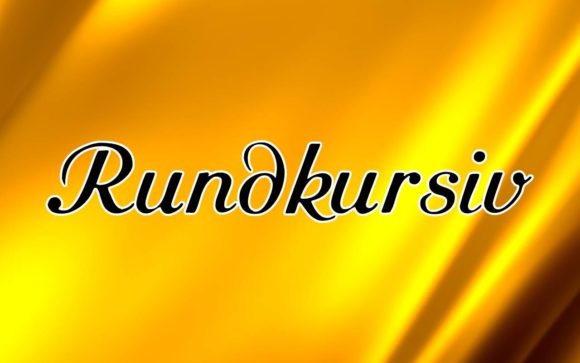
At its core, Rundkursiv is a handwritten font that leans into the beauty of cursive flow without sacrificing legibility. Its characters are well-balanced, meaning the loops, swashes, and connections between letters feel intentional and harmonious rather than chaotic. This balance is its superpower. It allows the font to convey a sense of artistry and care, making it an excellent script font for designs that aim to evoke emotion. Think of the elegant swirl on a wedding invitation, the personal touch on a boutique product label, or the friendly greeting on a blog header. The font’s visual rhythm creates an immediate, subconscious connection with the viewer, suggesting that a real person is behind the message.
Where This Font Truly Shines: Practical Applications
The real value of any design asset lies in its application. A beautiful font is useless if it doesn’t serve the project’s goals. Rundkursiv’s romantic and personal feel makes it exceptionally versatile for specific creative and commercial endeavors. Its strength isn’t in setting body copy for a technical manual, but in adding a layer of emotional resonance to key touchpoints.
- Branding & Logo Design: For businesses in the wedding industry, artisanal food, boutique retail, personal coaching, or handmade crafts, Rundkursiv can form the heart of a brand identity. It works beautifully for a primary logo or as a complementary display font for taglines and brand names, instantly communicating a bespoke, quality-focused ethos.
- Packaging & Merchandise: Imagine this font on a candle label, a coffee bag, or a bakery box. It elevates the packaging design from mere information to an experience, suggesting the product inside is made with intention and love. It’s equally effective on merchandise like tote bags or notebooks, adding a desirable, crafted aesthetic.
- Digital & Print Invitations: This is a natural home for a script font. Wedding invitations, event announcements, and thank-you cards gain a classic, heartfelt elegance. The flowing letters guide the eye and set a celebratory tone before a single word is read.
- Social Media & Web Design: In the fast-scroll world of Instagram or Pinterest, a distinctive header font can stop a thumb. Use Rundkursiv for quote graphics, story highlights, or promotional banners to add visual interest. On a website, it’s perfect for hero section headlines or call-to-action buttons where you want to inject personality, but it should be used sparingly and paired thoughtfully for readability.
- Editorial & Marketing Assets: In editorial design for magazines or blogs, it can be used for pull quotes or feature article titles to break up monotony and add a touch of sophistication. For marketing assets like email headers or promotional flyers, it helps create a cohesive and emotionally engaging campaign.
Making It Work: Pairing and Practicality
Using a expressive script font like Rundkursiv effectively requires a bit of strategic thinking. Its strength is in its flair, so it shouldn’t be overused. A common and reliable approach is to pair it with a clean, neutral sans serif font or a sturdy serif font. For example, using Rundkursiv for a main headline and a simple sans-serif like Open Sans or Lato for body text creates a beautiful contrast that is both engaging and easy to read. This pairing ensures visual consistency across your project while allowing the script to do what it does best: capture attention and convey tone.
Before committing, always test the font in context. Type out the actual words you’ll be using—your business name, your key headline—to see how the letterforms connect and flow. Check its performance at different sizes. While it’s a premium font with high-quality design, its readability at very small sizes on a screen might be limited, reinforcing its role as a display font for headlines and accents rather than for long paragraphs.
A Note on Licensing and Integrity
When you find a font that fits your vision, it’s crucial to understand its licensing. Peter Wiegel, like many independent type designers, releases his work under specific terms. For any commercial font, always review the End User License Agreement (EULA). This document will clarify whether you can use it for client projects, in digital products for sale, on merchandise, or in embedded web formats. Respecting the licensing supports the creators who make these beautiful typography tools possible and ensures your own projects are built on a professional, legal foundation. Investing in the correct license for a font like Rundkursiv is part of the cost of creating polished, professional presentation work.
Ultimately, choosing a typeface is a creative decision that directly impacts how your audience feels about your work. Rundkursiv offers a specific, valuable voice: one of warmth, elegance, and personal touch. By understanding its personality, applying it to the right projects, and pairing it intelligently, you can harness its flow to create designs that don’t just look good, but feel genuinely connected to the people they’re meant to reach.