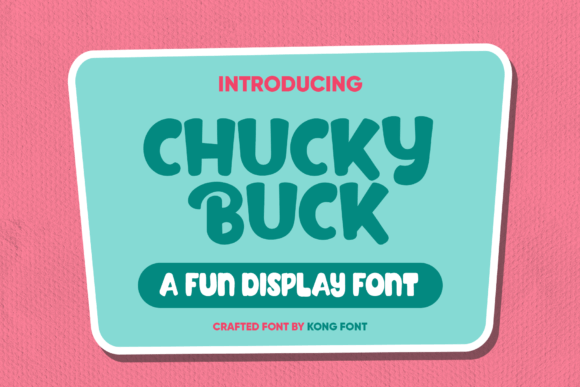
Why Chucky Buck Might Be Your New Favorite Handwritten Font
There's a moment in every creative project when the right typography just clicks. You've got the layout, the colors, the imagery—but something's missing. That's where a font like Chucky Buck enters the conversation. It's not just another script typeface; it's a modern, playful handwritten font that brings energy and personality to designs without trying too hard. Whether you're working on a logo for a new bakery, crafting social media graphics for a boutique brand, or designing wedding invitations for a client, Chucky Buck offers that human touch many digital projects crave.
A Font with Personality That Doesn't Overpower
What makes Chucky Buck stand out in a crowded market of creative fonts? It strikes a balance. Some handwritten typefaces feel too casual, almost like a scribble that's hard to read at smaller sizes. Others are so polished they lose the authentic, hand-lettered feel. Chucky Buck lands in a sweet spot—its letterforms have a natural flow and slight irregularity that suggest a real hand holding a pen, but with enough consistency to remain legible across different applications. The modern styling keeps it from feeling dated or overly whimsical, making it versatile for both commercial and personal projects.
Think about the brands you admire. Many successful small businesses and startups use typography that feels approachable and human. A font like Chucky Buck can communicate warmth, creativity, and authenticity—qualities that resonate with audiences tired of sterile, corporate aesthetics. It's the kind of typeface that says, "We're real people behind this brand," without sacrificing professionalism.
Practical Applications Across Your Creative Work
One of the strongest arguments for adding a premium font like Chucky Buck to your design assets is its sheer versatility. Let's walk through some real-world scenarios where this typeface could elevate your work.
Branding and Logo Design: For businesses in lifestyle, wellness, food, or creative industries, a handwritten font can become a core part of brand identity. Imagine a coffee shop logo, a skincare line, or a photography studio wordmark set in Chucky Buck. It immediately sets a tone—friendly, artisanal, and memorable. When paired with a clean sans serif font for body text, the combination creates visual hierarchy while maintaining brand consistency.
Packaging Design: Product packaging is where typography can make or break shelf appeal. Chucky Buck works beautifully for product names, taglines, or flavor descriptions on labels, boxes, and bags. Its handwritten quality suggests handmade care, which is especially powerful for small-batch goods, organic products, or craft beverages.
Social Media Graphics: In the fast-scrolling world of Instagram, Pinterest, and TikTok, your text needs to grab attention instantly. Chucky Buck's bold, playful character makes it ideal for quote graphics, promotional announcements, story highlights, and carousel posts. It stands out against busy backgrounds and photographs well, which is crucial for visual platforms.
Digital Products and Marketing Assets: If you sell digital downloads—planners, worksheets, eBooks, or course materials—typography matters more than you might think. A creative font like Chucky Buck can make your PDFs look polished and professional, increasing perceived value. It also works well for email headers, lead magnet designs, and sales page callouts.
Print Materials and Invitations: From wedding stationery to event posters to business cards, print design benefits enormously from fonts with character. Chucky Buck's readability at medium and large sizes makes it suitable for headlines, names, and accent text in printed pieces. It pairs well with serif fonts for formal invitations or with geometric sans serifs for modern event flyers.
Web Design and Blogs: While handwritten fonts aren't typically recommended for long-form body copy online, they excel as accent typography. Use Chucky Buck for blog post titles, section headers, pull quotes, or sidebar callouts. It adds visual interest to a webpage without compromising the reading experience when paired with a legible body font.
Merchandise and Editorial Layouts: Tote bags, mugs, t-shirts, and stickers often rely on expressive typography. Chucky Buck's energetic style translates well to merchandise that needs to feel fun and approachable. Similarly, in magazine or zine layouts, it can serve as a striking display font for feature titles or sidebar graphics.
Making Typography Work for Your Brand
Choosing the right font isn't just about aesthetics—it's about communication. Every typeface carries associations, and selecting one that aligns with your project goals is essential. Here are some practical considerations when working with a font like Chucky Buck.
Match the Font to the Message: Ask yourself what you want your audience to feel. Chucky Buck conveys playfulness, creativity, and approachability. It's perfect for brands that want to feel human and relatable. If your project requires something more formal or authoritative, you might reserve it for accent elements rather than primary headlines.
Test Font Pairings Thoroughly: No font exists in isolation. The real magic happens when you pair complementary typefaces. Try combining Chucky Buck with a neutral sans serif like Montserrat or a classic serif like Playfair Display. Test these combinations at different sizes, on different backgrounds, and in different contexts. What looks great on your desktop screen might read differently on a mobile device or printed at small scale.
Prioritize Readability: Handwritten fonts can be tricky at smaller sizes. Before committing to Chucky Buck for any application, test it at the actual size it will appear. For body text or small labels, consider using it only for short words or phrases and switching to a more traditional typeface for longer passages. Readability should always take precedence over style.
Explore the Included Styles: Many premium fonts come with multiple weights, alternates, or stylistic variations. Take time to explore everything included with Chucky Buck. You might discover alternate letterforms, ligatures, or swashes that add even more versatility to your designs. Understanding the full range of what's available helps you get the most value from your font library.
Understand Commercial Licensing: If you're using Chucky Buck for client work, merchandise, or any commercial project, make sure you understand the licensing terms. Most premium fonts require a commercial license for professional use. This is a small investment that protects both you and the font creator, and it ensures your designs are legally sound. Always review the license before distributing work that includes the font.
Building a Thoughtful Font Collection
Over time, most designers and creative professionals develop a go-to set of fonts—a curated library that covers different moods and needs. Having a reliable handwritten font like Chucky Buck in that collection means you're always ready when a project calls for something expressive and personal. It fills a specific niche that more traditional typefaces can't: the need for warmth, energy, and a distinctly human feel.
The best design choices are intentional ones. When you select a typeface, you're making a decision about how your audience will perceive your message. Chucky Buck offers a modern take on handwritten typography that feels fresh without being trendy, playful without being childish. Whether you're a small business owner building a brand from scratch, a content creator looking to make your graphics more engaging, or a designer seeking a reliable script font for client projects, it's worth exploring how this typeface might fit into your creative toolkit. The right font doesn't just look good—it tells a story, and sometimes that story starts with a name as memorable as Chucky Buck.