Why Neuzeit Is the Display Font Your Brand Has Been Waiting For
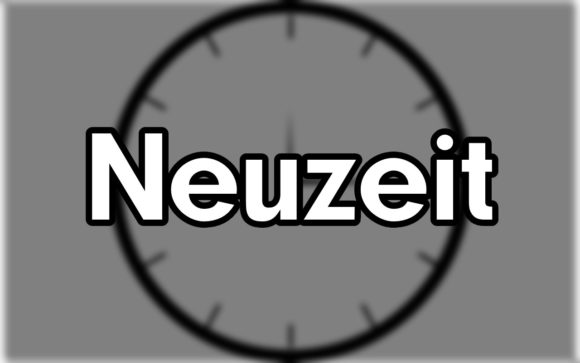
There’s a moment in every design project where the typeface either clicks into place or throws everything off balance. You’ve got the color palette dialed in, the imagery feels right, but the text just sits there—lifeless, generic, forgettable. That’s where a font like Neuzeit changes the game. Designed by Peter Wiegel, this display typeface carries a distinct personality: bold without being aggressive, modern without feeling cold, and versatile enough to anchor everything from a coffee shop logo to a tech startup’s pitch deck. If you’ve been scrolling through font libraries looking for something that actually feels different, Neuzeit deserves a closer look.
A Typeface Built for Visual Storytelling
What sets Neuzeit apart from the hundreds of display fonts competing for attention? It starts with the letterforms themselves. Each character feels carefully considered—the curves are smooth, the proportions are balanced, and there’s a subtle geometric influence that gives it structure without rigidity. It doesn’t lean too heavily into any single trend, which means it won’t look dated in two years. That kind of longevity matters when you’re building a brand identity or investing in design assets you’ll use repeatedly.
The font’s personality sits in a sweet spot between playful and professional. It’s expressive enough to catch someone’s eye on a poster or social media graphic, but it doesn’t sacrifice clarity. You can set a headline in Neuzeit and trust that people will actually read it, not just admire it from a distance. That balance is harder to find than most designers admit.
Where Neuzeit Actually Works in the Real World
Let’s talk about practical applications, because a font is only as good as the projects it elevates. Neuzeit shines in branding work—think logos, business cards, letterheads, and brand guidelines. If you’re a small business owner refreshing your visual identity, this typeface gives you enough character to stand out without locking you into a niche aesthetic. A bakery, a fitness studio, a freelance photography brand—Neuzeit adapts to each because its design DNA is flexible rather than prescriptive.
Packaging design is another arena where this font pulls its weight. On a shelf crowded with products, typography often determines whether someone picks up a box or walks past it. Neuzeit’s clean lines and distinctive letter shapes make it effective for product labels, box designs, and even hang tags on clothing. It communicates quality without trying too hard, which is exactly what most packaging needs.
For content creators and marketers, Neuzeit works beautifully across digital platforms. Social media graphics benefit from its bold presence—Instagram posts, Pinterest pins, YouTube thumbnails, and Facebook ads all gain visual punch when the headline typeface has personality. Blog headers, email newsletter banners, and website hero sections are natural fits too. The font’s readability at larger sizes makes it ideal for these high-visibility placements.
Print materials haven’t lost their relevance, and Neuzeit handles them well. Event posters, flyers, brochures, and invitations all benefit from a display font that commands attention without overwhelming the layout. If you’re designing wedding invitations or event programs, the included ligatures and glyphs add decorative touches that feel intentional rather than gimmicky. Because the font is PUA encoded, accessing those special characters is straightforward—you don’t need advanced software knowledge to use them.
Pairing Neuzeit with Other Typefaces
One of the most common questions designers ask about any display font is: what do I pair it with? Neuzeit’s balanced geometry makes it surprisingly easy to combine with other typefaces. For body text, a clean sans serif font keeps the overall look cohesive without competing for attention. Think of fonts like Open Sans, Lato, or even a simple serif like Georgia if you want a bit more contrast. The key is letting Neuzeit own the headlines while supporting typefaces handle the longer reading passages.
If you’re working on editorial design—magazines, lookbooks, or digital publications—try setting chapter titles or pull quotes in Neuzeit while using a neutral serif for the body copy. The contrast creates visual hierarchy that guides the reader’s eye naturally. For web design, pairing Neuzeit with a system font for paragraphs keeps load times fast while maintaining a polished appearance.
Don’t be afraid to experiment with weight and size when testing pairings. Neuzeit might look striking at 48 pixels on a landing page but feel cramped at 14 pixels in a sidebar. Test your combinations at the actual sizes you’ll use, not just in a font preview tool. Real-world context always reveals what mockups hide.
What the Included Styles Give You
Peter Wiegel designed Neuzeit with enough variation to handle different design needs within a single project. The character set includes alternates and ligatures that let you customize the look of headlines and logos without switching to another typeface. This is particularly useful for brand identity work, where consistency matters but monotony kills engagement. A slightly different “a” or a connected “st” ligature can make a wordmark feel handcrafted while staying unmistakably on-brand.
Because the font is PUA encoded, every glyph is accessible through standard character maps and design software panels. You won’t need to hunt through hidden menus or install special plugins. This accessibility matters when you’re working under deadline pressure or handing files off to a client who needs to make edits independently.
Licensing and Commercial Use Considerations
Before you commit any font to a commercial project, licensing deserves attention. Neuzeit comes with terms that cover both personal and commercial use, but specifics matter—especially if you’re creating assets for clients, selling merchandise, or distributing digital products. Read the license agreement carefully. Know whether it covers web fonts, app embedding, and print-on-demand platforms. Understanding these details upfront saves headaches later and protects both you and your clients.
For designers building font libraries for client work, investing in a premium font like Neuzeit often pays for itself quickly. Clients notice when their brand materials look distinct from the sea of default system fonts. That perception of quality translates into trust, and trust is what turns a one-time project into an ongoing relationship.
Making the Most of a Creative Font Choice
Choosing a typeface is never purely aesthetic—it’s strategic. The fonts you select communicate tone, values, and positioning before anyone reads a single word. Neuzeit carries a modern, confident energy that works for brands and projects aiming to feel current without chasing trends. It respects the viewer’s intelligence by being interesting without being difficult.
If you’re a hobbyist working on personal projects—scrapbooking, custom merchandise, digital art prints—Neuzeit gives your work a polished, professional edge that elevates the final product. If you’re a marketing professional managing multiple brand voices, having a versatile display font in your toolkit means fewer compromises and more creative freedom.
Test it. Set your next headline in Neuzeit and see how it changes the energy of your layout. Sometimes the right typeface doesn’t just complete a design—it transforms it.