Make Your Mark with Baltic Wave's Creative Typography
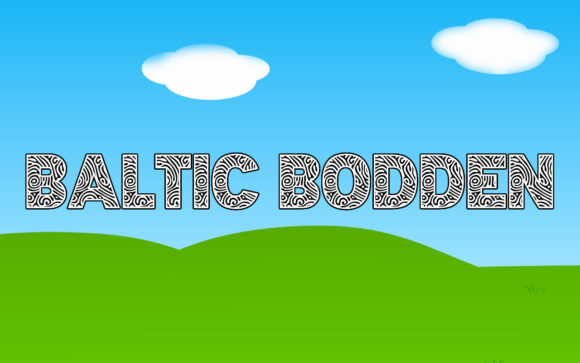
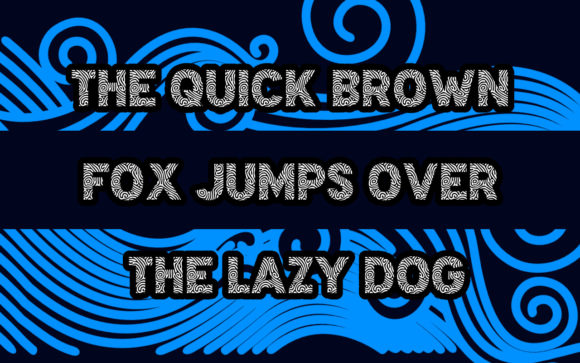
Every now and then, a typeface comes along that doesn't just sit quietly on the page—it practically jumps off the screen and demands attention. Baltic Wave, crafted by designer Peter Wiegel, is exactly that kind of font. It brings a fresh, creative energy to projects that need a visual spark, whether you're designing a logo for a startup, laying out social media content, or putting together packaging for a new product line.
What sets this display font apart from hundreds of others in its category? It comes down to character balance and personality. Each letterform feels intentional, with proportions that work together harmoniously while still carrying a distinct creative edge. The result is a typeface that reads clearly at various sizes yet never feels generic or forgettable.
Where Creative Fonts Like Baltic Wave Shine Brightest
Think about the last brand that caught your eye. Chances are, its typography played a bigger role than you realized. A premium font like Baltic Wave works beautifully across a surprising range of applications, and understanding where it excels helps you make smarter design decisions.
Branding and Logo Design stand out as natural fits. When you're building a brand identity from scratch—or refreshing an existing one—the typeface you choose becomes the visual voice of the entire business. Baltic Wave's unique character shapes give logos an immediate sense of personality without sacrificing legibility. A coffee roaster, a boutique clothing line, a creative agency, or a wellness brand could all use this font to establish a look that feels both professional and approachable.
Packaging design is another area where this typeface earns its place. On a shelf crowded with competing products, packaging needs to communicate quickly. The well-balanced letterforms of Baltic Wave hold up at different scales, from large headline text on a box front to smaller details on nutritional panels or ingredient lists. Pair it with a clean sans serif font for body copy, and you've got a visual hierarchy that guides the shopper's eye exactly where you want it.
Social media graphics demand fonts that pop in small thumbnails and still look sharp when someone pauses to read a post. This is where a creative font really proves its worth. Instagram stories, Pinterest pins, Facebook ads, and TikTok overlays all benefit from type that carries visual weight without feeling heavy. Baltic Wave's design style lends itself to quotes, announcements, sale promotions, and branded content that stops the scroll.
Matching Typography to Your Project Goals
Choosing the right font isn't just about picking something that looks cool in a preview. It's about alignment between the typeface's personality and the message you're trying to communicate. A handwritten font might work for a children's birthday invitation but feel out of place on a law firm's website. A rigid sans serif might suit a tech startup but fall flat for a bakery trying to convey warmth.
Baltic Wave sits in a sweet spot. Its creative character doesn't lean so far into novelty that it limits your options. Instead, it bridges the gap between display typography and functional design. Here are a few practical scenarios to consider:
- Websites and blogs: Use it for hero headlines, section titles, or featured post graphics. Pair it with a readable serif font or sans serif font for body text to maintain readability across longer passages.
- Print materials: Business cards, brochures, flyers, and postcards all benefit from a typeface that makes an impression at first glance. Baltic Wave gives printed pieces a polished, modern feel.
- Posters and event materials: Whether it's a music festival, a farmers' market, or a gallery opening, poster design thrives on bold typography. This font delivers visual impact without needing excessive ornamentation.
- Invitations and stationery: For wedding invitations, party announcements, or branded stationery, Baltic Wave adds a touch of creative flair that feels special without being overly formal.
- Merchandise: T-shirts, tote bags, mugs, and stickers need fonts that look great at various sizes and in single-color applications. The strong letter shapes in this typeface translate well to physical products.
- Editorial layouts: Magazine features, e-book covers, and digital publications can use Baltic Wave for chapter titles, pull quotes, and cover lines that draw readers in.
- Marketing assets: Email headers, banner ads, landing page headlines, and presentation decks all benefit from consistent, distinctive typography that reinforces brand recognition.
- Digital products: If you sell templates, planners, worksheets, or online course materials, using a premium font like Baltic Wave elevates the perceived value of what you're offering.
Practical Tips for Getting the Most Out of Your Font Choice
Even the best typeface needs a thoughtful approach to deliver results. Here's some advice drawn from real design practice that applies whether you're using Baltic Wave or any other creative font in your toolkit.
Test your font pairings before committing. A display font rarely works alone. You'll almost always need a secondary typeface for longer text, captions, or supporting information. Try pairing Baltic Wave with a neutral sans serif like a geometric or humanist typeface. The contrast between the creative display font and the understated companion creates visual interest while keeping your layouts readable. Avoid pairing it with another highly stylized font—that combination tends to create visual noise rather than clarity.
Consider the full range of included styles. Many premium fonts come with multiple weights, alternates, or stylistic variations. Before you start designing, explore everything the font package includes. You might discover alternates that work better for a specific project or weights that solve a spacing issue you didn't anticipate.
Don't sacrifice readability for style. This is a common trap, especially with display fonts. If your audience can't easily read your headline, the font isn't doing its job—no matter how beautiful it looks. Test your designs at the actual size they'll be viewed. A font that looks stunning at 72 points on your monitor might lose its charm at 14 points on a mobile screen.
Think about commercial licensing early. If you're using a font for client work, merchandise, or any project that generates revenue, make sure you understand the licensing terms. Using a font without proper commercial licensing can lead to legal headaches down the road. It's a detail that's easy to overlook when you're excited about a new design, but it matters.
Building Visual Consistency Across Every Touchpoint
One of the most overlooked benefits of choosing the right typeface early in a project is the consistency it creates. When your website, social media profiles, printed materials, and packaging all share the same typographic DNA, your audience starts to recognize your brand before they even read the words. That's the power of modern typography applied with intention.
Baltic Wave makes this kind of consistency achievable because its design adapts well across different contexts. The same font that looks sharp on a business card can headline a website without feeling out of place. That versatility means fewer compromises and a more cohesive visual identity overall.
For small business owners and entrepreneurs managing their own design work, this kind of flexibility is invaluable. You don't need to hire a designer for every single asset when your typeface does much of the heavy lifting. A well-chosen creative font becomes a design asset that pays for itself across dozens of projects.
Whether you're a seasoned designer building out a client's brand system or a content creator looking for typography that actually stands out in a crowded feed, Baltic Wave offers a compelling combination of personality and practicality. Peter Wiegel's attention to character balance and visual appeal shows in every letter, making it a typeface worth exploring for your next creative project. Add it to your design toolkit, experiment with pairings, and see how it transforms the visual communication of your work.