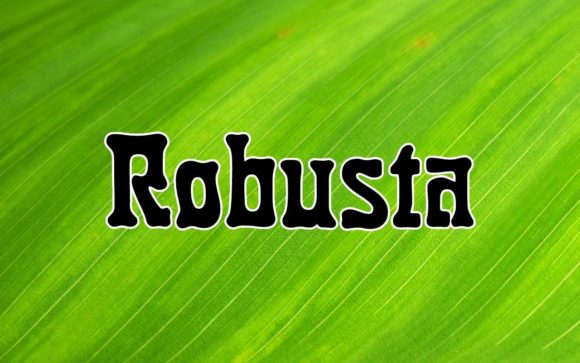
Robusta: A Typeface That Flows with Creative Possibility
Sometimes a font comes along that doesn’t just sit on a page—it dances. It carries a sense of movement and elegance that can transform a simple idea into something memorable. That’s the feeling you get when you work with Robusta, a beautifully flowing script typeface designed by Peter Wiegel. Its characters are balanced and graceful, making it a versatile tool for anyone looking to add a touch of sophistication and personality to their work. Whether you’re building a brand from scratch or refreshing a marketing campaign, this font has a way of making your creative vision feel more polished and intentional.
More Than Just a Pretty Script
What sets Robusta apart is its thoughtful design. The letterforms connect in a way that feels natural, almost like handwritten calligraphy, but with a consistency that’s crucial for professional use. This isn’t a font that looks chaotic or overly casual. It strikes a perfect balance, making it suitable for projects where you need both beauty and clarity. Because it’s PUA encoded, you have full access to all its glyphs and swashes. This means you can customize the look of words, adding flourishes to initial letters or elegant endings to create a truly unique typographic voice for your project.
Think about the last time a logo or an invitation caught your eye. Often, it’s the typography that does the heavy lifting. A premium font like Robusta gives you that power. It’s a display font at heart, designed to be the star of the show in headlines, logos, and branding elements. Yet, its legibility also makes it a contender for shorter blocks of text in editorial design or packaging where a touch of class is needed.
Where This Font Truly Shines: Practical Applications
The real value of any design asset is how you use it. Robusta’s flowing style opens up a world of possibilities across various mediums. For small business owners and entrepreneurs, it’s a chance to craft a brand identity that feels both luxurious and approachable. Imagine it on a coffee shop menu, a boutique clothing label, or the logo for a wedding planner. The font instantly communicates care, creativity, and attention to detail.
For content creators and marketers, consistency is key. Using a distinctive typeface like Robusta across your social media graphics, blog headers, and digital products helps build brand recognition. Your audience starts to associate that elegant script with your unique style. It works beautifully for:
- Logo Design & Branding: Creating a memorable wordmark or pairing it with a simple sans serif font for a complete logo system.
- Packaging & Labels: Adding a handcrafted, premium feel to product packaging, especially for artisanal goods, cosmetics, or gourmet foods.
- Invitations & Stationery: Perfect for wedding invitations, event announcements, and thank you cards where elegance is paramount.
- Posters & Editorial Layouts: Using it for pull quotes, chapter titles, or magazine headings to draw the reader’s eye.
- Merchandise & Printables: Designing beautiful prints, tote bags, or mugs that people want to display.
Pairing and Practicality: Making It Work for You
While Robusta is stunning on its own, its true potential is unlocked through smart font pairing. A common and effective strategy is to combine a decorative script or handwritten font with a clean, neutral typeface. Try pairing Robusta with a simple sans serif font for body text. The contrast creates visual hierarchy and ensures your main message is easy to read. For example, use Robusta for a website’s main headline and a font like Open Sans or Lato for the paragraph text below it. This combination maintains professionalism while injecting personality.
Readability should always be a top consideration. Because Robusta is a script font, it’s best used for shorter phrases—headlines, logos, and titles. Avoid using it for long paragraphs or small body copy, where its intricate details might become hard to decipher. Always test your designs at the actual size they’ll be viewed, whether on a mobile screen or a printed poster. This simple step can save you from legibility issues down the line.
When you download a font like this, take a moment to review all the included styles and glyphs. The swashes and alternate characters are what allow you to tailor the font to your specific needs, ensuring no two designs look exactly alike. Also, be mindful of the licensing. A commercial font typically comes with a license that permits use in commercial projects, but it’s always wise to double-check the terms to ensure they cover your intended use, whether for a client project, merchandise for sale, or digital products.
Ultimately, choosing a typeface is a strategic decision. It’s not just about what looks good in isolation, but what aligns with the emotion and message of your project. Robusta offers a blend of beauty and function that can elevate a design from ordinary to extraordinary. It’s a tool that invites creativity, helping your ideas come alive with a touch of elegance and flow. For the designer, the entrepreneur, or the hobbyist looking to make something truly special, it’s a worthy addition to your toolkit.