Eureka: Unearthing the Gothic Soul of Your Next Project
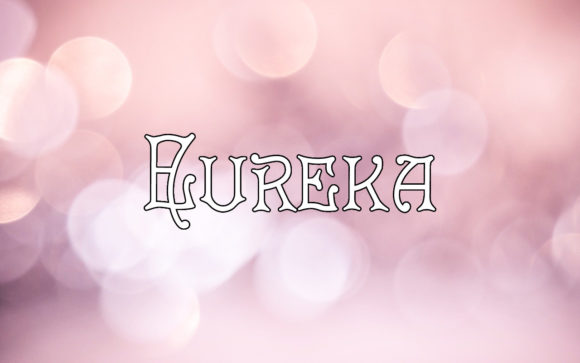
Sometimes, a design project demands more than just legibility. It demands a presence, a whisper of history, or a shout of bold, unapologetic style. You know the feeling—you're staring at a blank canvas for a brand, a poster, or a social media campaign, and the standard sans serif just feels... safe. Bland. You need something with character, with weight, and with a story etched into its very strokes. That's where a typeface like Eureka, the mysterious and gothic Blackletter font crafted by Peter Wiegel, enters the conversation. It’s not just a set of letters; it’s a design asset with a distinct personality that can anchor an entire visual identity.
A Typeface with a Tale to Tell
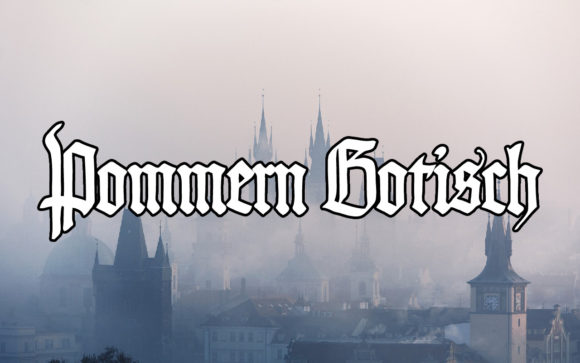
Blackletter, or Gothic script, has roots stretching back to the 12th century, gracing the pages of medieval manuscripts and early printed books. Eureka takes this rich historical foundation and refines it for modern use. Its characters are uniquely well-balanced, avoiding the sometimes overly ornate or difficult-to-read pitfalls of some traditional Blackletter faces. The result is a font that feels both timeless and surprisingly versatile. The high-contrast strokes and sharp, angular forms create a dramatic rhythm, making it an ideal choice when you want your typography to do more than just convey words—it needs to evoke a mood. Think of it as the difference between a plain white wall and one adorned with a tapestry; both serve a purpose, but one tells a story.
Where Eureka Truly Shines: Practical Applications
The real test of any premium font is how it performs in the wild. Eureka’s balanced design allows it to move beyond niche historical projects and into a wide pool of contemporary creative work. Its strong personality makes it a standout choice for specific applications where impact is key.
- Branding & Logo Design: For brands in the craft beverage, artisan, tattoo, or specialty goods space, Eureka can become the cornerstone of a powerful logo. It instantly communicates craftsmanship, tradition, and a touch of rebellion. Pair it with a clean sans serif for body copy to create a dynamic and readable brand identity system.
- Packaging & Merchandise: Imagine Eureka on the label of a small-batch coffee, a craft beer bottle, or the hang-tag on a handmade leather good. It adds an immediate layer of perceived value and authenticity. On merchandise like t-shirts, hats, or posters, it functions as a bold graphic element in its own right.
- Editorial & Posters: In editorial design, use Eureka for chapter titles, drop caps, or pull quotes to create dramatic visual entry points in a magazine or book layout. For event posters—think music festivals, gallery openings, or theatrical productions—it sets a powerful, thematic tone before a single word of the body copy is read.
- Digital Presence: While its primary strength is in display sizes, Eureka can be used strategically on websites and social media. A striking headline for a blog post, a hero section on a homepage for a relevant brand, or an impactful quote graphic for Instagram can all benefit from its unique character. The key is context and contrast.
Making It Work: Advice for Effective Use
Integrating a strong display font like Eureka into your design toolkit requires a thoughtful approach. Its power is also its challenge; used without consideration, it can overwhelm. Here’s how to harness its potential effectively.
Mastering Font Pairing
The golden rule with a dramatic typeface is balance. Eureka demands a partner that can provide calm and clarity. A simple, geometric sans serif font (think Futura, Avenir, or a clean sans like Open Sans) makes an excellent companion. The contrast between the complex, historical forms of Eureka and the clean, modern lines of a sans serif creates visual interest and, crucially, ensures readability for longer text. Avoid pairing it with other highly decorative fonts like ornate script or handwritten fonts, as this will create visual chaos.
Readability is Non-Negotiable
This is perhaps the most important practical consideration. Blackletter fonts are designed for impact, not for body text. Use Eureka for headlines, logos, and short, prominent phrases. For any text that needs to be read easily at length—product descriptions, blog paragraphs, website navigation—always revert to a highly legible serif or sans serif font. Test your designs at the size they will be viewed; what looks magnificent on your large monitor may become an illegible smudge on a mobile screen.
Explore the Included Styles
When you invest in a creative font like Eureka, check what styles and weights are included. Many premium font packages offer variations like bold, italic, or outline versions. These can provide valuable flexibility within your projects, allowing you to create hierarchy and emphasis while maintaining a consistent typographic voice. For instance, using an outlined version of Eureka for a secondary headline can complement a solid primary headline beautifully.
Licensing for Commercial Peace of Mind
Before using any font in a commercial project—whether it's for a client, a product you sell, or your own business marketing—always verify the licensing. A reputable commercial font will have clear licensing terms that cover your intended use. Peter Wiegel's fonts, including Eureka, are often released under open licenses, but it is your responsibility as the designer or business owner to understand and comply with those terms. This is a fundamental part of professional practice and protects both you and the font creator.
Ultimately, typography is about communication. Eureka offers a specific, powerful voice: one of mystery, heritage, and bold individuality. By understanding its personality and applying it with intention, you can add a layer of depth and engagement to your projects that a more neutral font simply cannot provide. It’s about matching the tool to the task and the message to the medium. When the project calls for a touch of the dramatic and the timeless, Eureka is a typeface that can truly make your creative ideas come alive.