Squid Font: A Bold Typeface for Confident Designs
There's a certain energy that comes with a font that isn't afraid to take up space. You know the feeling—you're scrolling through a website or walking past a poster, and the typography just grabs you by the collar. That's exactly what Felix Braden achieved with Squid. This display typeface doesn't whisper; it declares. Its thick strokes, bold proportions, and unapologetic weight make it a font for projects that need to be seen and remembered. If you've been searching for a typeface that carries presence without relying on gimmicks, Squid deserves a closer look.
What Makes Squid Stand Out
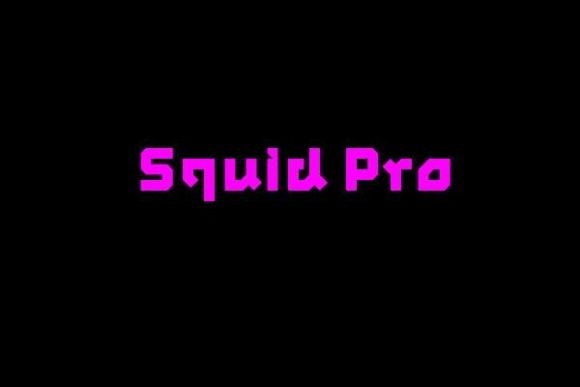
Squid is a cool, bold, and thick lettered display font. It reads as strong, confident, and dynamic—qualities that can add tons of assertive character to your designs. But what does that actually mean in practice? Think about the last time a brand's headline stopped you mid-scroll. Chances are, the typography was doing heavy lifting. Squid's letterforms are designed with a modern sensibility: clean enough to feel contemporary, weighted enough to command attention. The strokes are consistent and deliberate, giving text a sense of solidity that thinner or more ornate typefaces simply can't replicate.
What sets Squid apart from other bold display fonts is its personality. It doesn't feel mechanical or cold. There's a subtle warmth in its curves and terminals that keeps it approachable, even at massive sizes. This balance between strength and friendliness is surprisingly rare in the world of premium fonts, and it's what makes Squid versatile across so many different creative applications.
Where Squid Truly Shines
Let's get practical. A font is only as good as the projects you put it in, and Squid has a genuinely wide range of uses. Here's where this typeface earns its place in a designer's toolkit:
- Branding and Logo Design: Squid's bold weight makes it an excellent candidate for wordmarks and logotypes. If you're building a brand identity for a startup, a fitness studio, a streetwear label, or a tech company that wants to feel grounded and authoritative, this font delivers. Its legibility at various sizes means it works on business cards and billboards alike.
- Packaging Design: Shelf presence matters. Squid's thick strokes hold up beautifully on packaging, whether you're designing labels for craft beverages, skincare products, or specialty foods. The font's confident character helps products stand out in crowded retail environments.
- Social Media Graphics: Bold typography performs well on platforms like Instagram, TikTok, and Pinterest, where users make split-second decisions about what to engage with. Squid's assertive style works perfectly for quote graphics, promotional posts, story headers, and carousel covers.
- Posters and Event Materials: From music festivals to corporate conferences, Squid brings the kind of visual punch that poster design demands. Its readability from a distance and its striking presence make it a natural fit for large-format print.
- Websites and Blogs: While Squid is a display font and not intended for body text, it excels in hero sections, landing page headlines, blog post titles, and navigation accents. Pair it with a clean sans serif or serif font for the body copy, and you've got a typographic hierarchy that feels both professional and dynamic.
- Merchandise and Invitations: Whether you're designing t-shirts, tote bags, or wedding invitations with a modern edge, Squid's character translates well across physical products. Its boldness ensures that text remains the focal point, even on textured or patterned backgrounds.
- Editorial Layouts and Digital Products: Magazine covers, ebook headers, course graphics, and newsletter designs all benefit from a strong display typeface. Squid gives editorial layouts a contemporary, polished feel without overwhelming the overall design.
Matching Typography to Your Project Goals
Choosing the right font isn't just about aesthetics—it's about communication. Every typeface carries an implicit message, and the font you select should align with what your project is trying to say. Squid communicates strength, modernity, and confidence. That makes it a strong choice for brands and projects that want to feel established, energetic, or forward-thinking.
Before committing to any typeface, ask yourself a few questions. What's the primary emotion you want your audience to feel? Who is your target demographic? Where will the design be seen most—on screens, in print, or both? Squid performs well across digital and physical formats, but its bold nature means it's best suited for headlines, titles, and short bursts of text rather than long paragraphs.
Font pairing is another critical consideration. Squid works beautifully alongside simpler typefaces. A clean sans serif like Inter or a classic serif like Georgia can provide the breathing room that body text needs, while Squid handles the heavy lifting in headlines. The contrast between a bold display font and a lighter supporting typeface creates visual interest and guides the reader's eye naturally through your layout.
Readability and Practical Considerations
Bold fonts like Squid are attention-grabbers by nature, but readability should always remain a priority. At large sizes—think poster headlines, website heroes, and social media graphics—Squid is exceptionally legible. Its thick strokes and open letterforms ensure that each character is distinct, even at a glance.
However, using a display font at small sizes or for extended body text is a common mistake. Squid's weight and proportions are optimized for impact, not for reading paragraphs. Reserve it for the moments where you need maximum visual effect, and let a more understated typeface handle the supporting roles. This approach not only improves readability but also strengthens your overall typographic hierarchy.
It's also worth reviewing the full range of styles and weights that come with Squid. Felix Braden designed this typeface with versatility in mind, and understanding what's included in the font package helps you make the most of it. Different weights, alternates, or stylistic variations can open up creative possibilities you might not have initially considered.
Licensing and Using Squid for Commercial Work
If you're a freelancer, agency designer, or small business owner, licensing matters. Before using any font in a commercial project—whether it's a client's logo, a product line, or a marketing campaign—make sure you understand the license terms. Squid, like many premium fonts, comes with specific licensing agreements that dictate how it can be used. Reviewing these terms upfront saves headaches later and ensures your work is fully compliant.
Many designers build a library of trusted, well-licensed typefaces over time. Having a reliable display font like Squid in your collection means you're always prepared for projects that need bold, confident typography without scrambling to find the right fit at the last minute.
Final Thoughts on Choosing Bold Typography
Typography is one of the most powerful tools in a designer's arsenal, and the fonts you choose say as much about your work as the words they form. Squid by Felix Braden is the kind of typeface that earns its keep—visually striking, practically versatile, and designed with real-world applications in mind. Whether you're crafting a brand identity, designing a poster, or building a social media presence, having a bold, assertive font at your disposal makes the creative process smoother and the results more impactful. Give it a try on your next project and see how its confident character transforms your designs.