Interplanetary Crap: A Font That Breaks the Mold
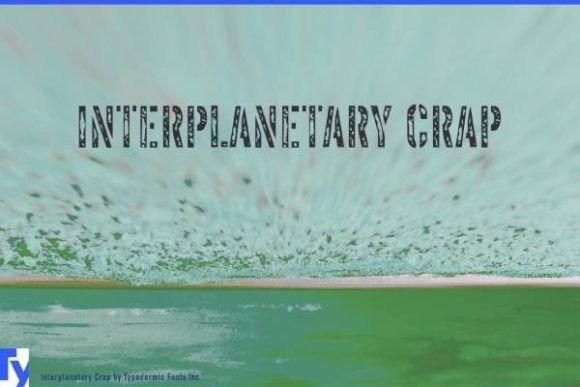
Let's be honest: most fonts are safe. They're clean, predictable, and designed to blend in. But what if your project needs to stand out? What if it needs to feel gritty, textured, and unmistakably bold? That's where a typeface like Interplanetary Crap enters the conversation. This isn't your standard sans serif or elegant script font—it's a crispy, crusty, flaked stencil font with a personality all its own. For designers, entrepreneurs, and creators tired of blending into the visual noise, it offers a chance to inject raw, tactile energy into your work.
What Makes This Stencil Font So Visually Striking?
At first glance, Interplanetary Crap grabs attention with its distressed, stencil-cut aesthetic. The letterforms appear as if they've been weathered, peeled, or flaked, giving each character a sense of history and texture. This isn't a font that pretends to be perfect; it embraces imperfection. The uneven edges and gritty details create a visual rhythm that feels handmade and authentic. In a world saturated with smooth, digital-looking typefaces, this kind of premium font provides a powerful contrast. It's a display font built for impact, not for setting long paragraphs of body text. Its strength lies in headlines, logos, and short bursts of text where its unique character can truly shine.
Think about the last time a piece of design caught your eye. Was it smooth and flawless, or did it have a bit of edge? Fonts like this one work because they communicate a feeling instantly. The crusty texture suggests durability, rebellion, or a DIY ethos. For a brand identity that wants to feel grounded, real, and a little unconventional, this typeface can be a secret weapon. It pairs surprisingly well with cleaner sans serif font styles, creating a dynamic contrast that guides the viewer's eye and establishes a clear visual hierarchy.
Practical Applications for Creative Projects
So, where does a font like this actually work? Its applications are broader than you might think, especially if you're aiming to create something memorable.
Branding and Logo Design: If you're building a brand for a craft brewery, a record label, an outdoor adventure company, or an edgy apparel line, Interplanetary Crap can form the core of your logo design. Its textured appearance immediately conveys a sense of authenticity and toughness. Imagine it on a merchandise tag, a website header, or packaging—it sets a tone that's hard to ignore. It tells a story before a customer even reads the word.
Packaging and Merchandise: On physical products, texture is king. This font translates beautifully to packaging design for items like hot sauces, artisanal goods, or specialty coffee. The flaked stencil effect feels tactile, almost as if you could run your fingers over it. For merchandise like t-shirts, hats, or posters, it gives designs a vintage, worn-in feel that customers love. It's a creative font that adds instant character to any surface.
Digital and Print Marketing: Don't limit it to physical goods. Use it for social media graphics that need to stop the scroll, for web design hero sections that demand attention, or for blog headers that set an adventurous tone. In editorial design, a chapter title set in this font can hook a reader. For invitations to events like gallery openings or launch parties, it promises an experience that's anything but ordinary. It's a versatile design asset across marketing assets and digital products.
Making It Work: Pairing and Practicality
Using a bold, textured font effectively requires a bit of strategy. The goal is to let its personality enhance your message, not overwhelm it.
Font Pairing is Crucial: Because Interplanetary Crap is so distinctive, it works best when paired with a simpler, highly readable typeface. Think of it as the lead singer and the supporting band. Use a clean sans serif font for body text, subheadings, or detailed information. This contrast ensures your design is both eye-catching and legible. A good font pairing balances personality with clarity.
Readability First: Always test your text at the size it will be viewed. This is a display font, meaning it's designed for larger sizes like titles and headlines. Using it for small, critical details or long sentences can hurt readability. The distressed texture is meant to be appreciated from a distance, where it creates a bold impression rather than causing eye strain.
Match the Font to the Project Goal: Ask yourself: does the gritty, stencil aesthetic align with the core message of my project? It's perfect for conveying strength, creativity, rebellion, or handmade quality. It might be less suitable for a luxury spa or a formal financial institution. Matching typography to project goals is about ensuring every visual element speaks the same language.
Considering the Details: Styles and Licensing
Before you dive in, it's smart to explore what comes with the font package. A quality commercial font often includes multiple styles. Check if Interplanetary Crap offers variations like different weights (bold, regular), alternates, or additional glyphs. These extras can give you more creative flexibility within the same typeface family, helping you maintain visual consistency across a complex project.
Equally important is understanding the license. If you're using it for a client project, merchandise for sale, or a company website, you need a license that permits commercial use. This isn't just about legality; it's about supporting the designers who create these valuable tools. A proper license ensures you can use the font confidently across all your design assets, from a small social media post to a full-scale product launch.
In the end, choosing a font like Interplanetary Crap is a choice to be noticed. It's for the creator who understands that typography isn't just about legibility—it's about communication. It’s about giving your brand a voice that’s textured, authentic, and impossible to forget. When your visuals have that kind of edge, your entire project gains a layer of depth and intention that audiences can feel.