Gimmi: The Brushed Display Font That Captures Urban Edge
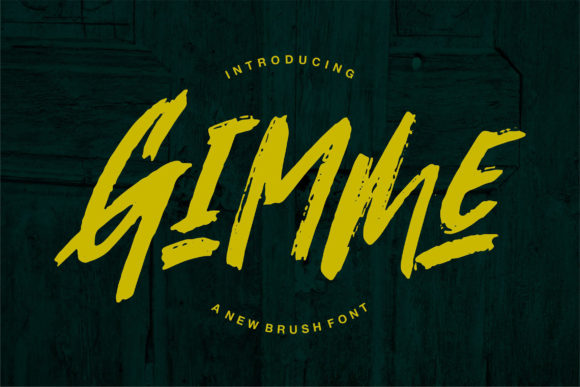
There are moments in design when you need more than just legibility. You need attitude. You need a typeface that feels like it was pulled from a concrete wall, yet refined enough for a high-end coffee shop menu or a boutique brand's identity. That's the specific space the Gimmi font occupies. It’s a cool, urban styled, brushed display font, expertly designed to make your creation look out of this world. This isn't about following trends blindly; it's about injecting a raw, textured energy into projects that demand to be noticed. Whether you're crafting a logo for a streetwear label, designing a poster for a local music festival, or building a social media campaign for an artisanal bakery, the right display typeface sets the entire emotional tone.
A Typeface with a Textured Story
What makes a font like Gimmi visually compelling isn't just its shape, but its surface. The brushed effect gives each letterform a sense of movement and imperfection, reminiscent of hand-painted signage or quick, expressive strokes. This quality moves it away from the sterile precision of many digital fonts, offering a human touch that feels authentic and immediate. In a landscape saturated with clean sans-serifs and perfect geometric logos, this kind of organic texture can be a powerful differentiator. It suggests craftsmanship, individuality, and a bit of rebellious spirit. For a small business owner, choosing a font with this level of character can communicate brand values before a customer even reads a single word.
Think about the visual language of your project. Are you aiming for gritty and authentic, or sophisticated with an edge? Gimmi bridges that gap. Its urban styling provides the cool factor, while the brushed details add a layer of artisanal quality. This makes it surprisingly versatile for a display font. It won't work for body text on a lengthy report, but for headlines, logos, and impactful callouts, it shines. It’s a creative font that feels both contemporary and timeless, avoiding the fleeting nature of overly trendy typefaces.
From Brand Identity to Social Media: Where This Font Fits
Choosing the right font is a strategic decision. It's a core component of your brand identity. A typeface like Gimmi can become the visual cornerstone of a brand that wants to project confidence, creativity, and a connection to modern urban culture. Imagine it stamped on a craft beer label, where the texture complements the artisanal process. Picture it as the hero text on a website homepage for a creative agency, instantly setting a tone of innovation. Its strength lies in applications where you need to make a strong first impression.
Let's break down its practical uses across different projects:
- Logo Design & Branding: For logos, this font creates a mark that feels custom and memorable. It's particularly effective for businesses in fashion, food and beverage, music, fitness, or any lifestyle brand targeting a younger, design-savvy audience. The texture adds depth that flat vector logos often lack.
- Packaging Design: On packaging, whether it's a box, a bottle, or a bag, the brushed finish of the typeface can create a tactile experience visually. It suggests the product inside is made with care and has a story to tell.
- Marketing & Social Media Graphics: In the fast-scrolling world of Instagram or TikTok, you have seconds to grab attention. A headline set in a bold, textured display font stops the thumb. Use it for quote graphics, sale announcements, or video thumbnails to inject instant personality into your feed.
- Print Materials & Posters: For event posters, flyers, or business cards, Gimmi adds a layer of visual interest that plain fonts can't match. It ensures your printed piece stands out on a crowded bulletin board or in a stack of cards.
- Digital Products & Editorial Layouts: If you're selling digital guides, e-books, or online courses, using a distinctive font for chapter titles or section headers can elevate the perceived value of your product, making it feel more premium and professionally designed.
Making It Work: Practical Typography Advice
Having a great font is one thing; using it effectively is another. The most important rule with any bold display typeface is to use it sparingly. Think of it as a spice, not the main ingredient. Your primary goal should always be clear communication. For body text, pair Gimmi with a highly readable serif or sans-serif font. A clean sans-serif like Helvetica or Futura can create a pleasing modern contrast, allowing the textured display font to command attention without overwhelming the reader.
Before committing, always test your font pairings in context. Mock up a business card, a social media post, or a website header. Does the hierarchy feel right? Is the display font pulling its weight without causing visual chaos? Check the legibility at different sizes. A font that looks stunning at 72pt on your desktop might lose its detail when reduced for a mobile screen or a small print application. Review the full character set and any included font styles—does it have the punctuation and symbols you need? For commercial projects, always verify the licensing. A premium font like Gimmi typically comes with a license that covers commercial use, but it's crucial to understand the terms for things like merchandise or digital product resale.
Ultimately, the goal is to create a cohesive visual system. Your typography should work in harmony with your color palette, imagery, and overall design aesthetic. A font like Gimmi isn't a magic solution, but in the hands of a thoughtful designer or business owner, it's a powerful tool. It provides the visual consistency needed for strong brand recognition, while its unique character helps your projects feel professionally presented and engaging. It’s about choosing a typeface that doesn’t just say words, but conveys a feeling—making your creative work not just seen, but felt.