Awake: A Serif Font Balancing Timeless Elegance and Modern Edge
There’s a particular kind of design challenge that calls for more than just a pretty typeface. It needs a voice. You’re crafting a brand for a boutique hotel, a high-end skincare line, or a literary journal. The project demands sophistication, but not the stiff, old-world kind. It needs to feel current, confident, and undeniably premium. This is the precise space where the Awake font finds its purpose. It’s a stylish serif that doesn’t just sit on the page; it communicates a distinct personality, blending classic refinement with a clean, modern sensibility that feels both trustworthy and fresh.
Understanding Awake’s Visual Character
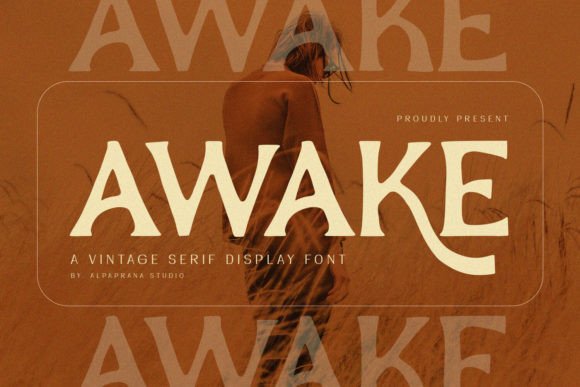
At its core, Awake is a display font built for impact. Its letterforms are carefully crafted with refined serifs—the small strokes at the ends of characters—that provide structure and a nod to typographic tradition. However, what sets it apart is its well-proportioned design. The spacing between letters (tracking) and the internal counters (the enclosed spaces in letters like 'a' or 'e') are optimized for clarity. This means it avoids the stuffiness of some older serif fonts while steering clear of the overly geometric feel of many modern ones. The result is a typeface that feels balanced, elegant, and exceptionally readable, whether used for a bold headline or a shorter subheading. It’s this versatility that makes it a powerful tool in a designer’s kit, especially for projects where brand identity and visual consistency are paramount.
Practical Applications: Where Awake Truly Shines
Theory is one thing, but real-world use is where a font proves its worth. Awake’s personality makes it adaptable across a surprising range of mediums. Let’s look at where it can make a tangible difference.
Building a Cohesive Brand Identity
For entrepreneurs and small business owners, choosing a primary font is a foundational branding decision. Awake excels in logo design, offering a mark that feels established and credible from day one. Its elegance translates perfectly to business cards, letterheads, and brand guidelines, creating a unified look. Imagine a logo set in Awake paired with a clean sans serif font for body text on a website—the contrast is both beautiful and functional, establishing a clear visual hierarchy.
Elevating Editorial and Publishing Work
In editorial design, such as magazine layouts, book covers, or annual reports, Awake brings a layer of sophistication. It can set chapter titles, pull quotes, or feature headlines with authority and grace. For bloggers and content creators, using Awake for article titles or key graphics can instantly elevate the perceived quality of the content, making it stand out in a crowded feed.
Crafting Memorable Marketing and Packaging
First impressions are critical in packaging design. Awake’s refined character can help a product feel luxurious and thoughtfully curated. Think of artisanal food labels, cosmetic packaging, or boutique wine bottles. Similarly, in social media graphics, it can be used to create stunning quote cards, announcement posts, or promotional materials that look professionally designed, boosting engagement and brand recognition. Its presence in marketing assets like brochures, posters, and digital ads communicates quality and attention to detail.
Making Awake Work for Your Project
Selecting a beautiful font is only the first step. Using it effectively requires a bit of strategy. Here’s how to integrate Awake into your workflow for maximum impact.
Font Pairing: Creating Harmony and Contrast
Awake is a star player, but it works best as part of a team. The key to a successful font pairing is contrast in style, not just in weight. Pair it with a simple, geometric sans serif font for body copy—think fonts like Montserrat, Lato, or Open Sans. This allows Awake to handle the headlines and display text while the sans serif ensures long blocks of text remain highly readable. Avoid pairing it with another strong serif or a highly decorative script font, as this can create visual competition and confusion.
Readability and Context Considerations
While Awake is designed for clarity, context matters. Its elegant details are best showcased at larger sizes, making it ideal for headings, titles, and short bursts of impactful text. For lengthy body copy on a website or in a booklet, always default to a font optimized for reading at smaller sizes. Test your designs across different devices and in print to ensure the readability holds up. The goal is to use Awake’s strength for emphasis and personality, not to force it into a role where a workhorse font would perform better.
Exploring Font Styles and Licensing
A robust font family often includes multiple weights and styles—like Regular, Medium, Bold, and italics. Check what comes with your purchase of Awake. Using a bolder weight for main headings and a regular weight for subheadings can create sophisticated, nuanced designs without introducing another typeface. Finally, for any commercial project—whether it's client work, merchandise, or digital products—always verify the commercial licensing terms. Understanding what you’re allowed to do (e.g., number of users, embedding in apps or software) is a non-negotiable part of professional practice and protects both you and your clients.
Ultimately, a font like Awake is more than just a collection of letters. It’s a design asset that carries a mood and a message. By understanding its visual language and applying it thoughtfully to the right projects, you can create work that doesn’t just look good, but feels intentional, professional, and deeply resonant with your audience. It’s about choosing a tool that helps tell your story with the clarity and class it deserves.