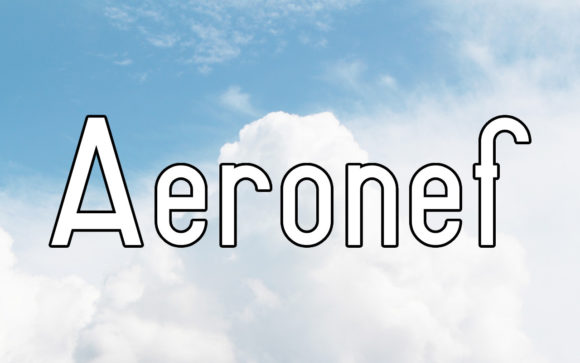
Aeronef: A Clean Sans Serif for Modern Branding
There’s a moment in every design project where the typeface either clicks into place or throws everything off balance. You’ve seen it before—logos that feel dated, websites that strain the eyes, packaging that looks amateur. The font you choose isn’t just decoration; it’s the voice of your brand, the first thing people read, and often the last thing they remember. Aeronef, a carefully crafted sans serif by Peter Wiegel, steps into that space with quiet confidence. It doesn’t shout for attention, but it earns it through clean lines, medium weight, and a versatility that works across dozens of real-world applications.
Why Aeronef Works for Visual Consistency
Consistency is the backbone of professional design. When your typography shifts erratically between projects—or even within a single layout—it creates visual noise that distracts your audience. Aeronef solves this by offering a unified aesthetic that adapts without losing its core character. Its clear, geometric structure ensures legibility at small sizes, while its balanced proportions make it equally effective as a display font for headlines or as body text in longer reads.
Consider a small business building its brand identity from scratch. You need a typeface that works on your website, business cards, social media templates, and product labels. Aeronef’s medium weight and open letterforms make it readable on screens and in print, reducing the need to constantly switch fonts for different mediums. This kind of visual consistency strengthens brand recognition over time—your audience starts to associate that clean, modern look with your business.
Practical Applications Across Creative Projects
Aeronef isn’t a one-trick font. Its design lends itself to a surprisingly wide range of uses, from high-stakes commercial projects to personal creative experiments. Here’s where it shines:
- Logo Design & Brand Identity: Its neutrality allows it to pair well with script fonts or serifs without competing for attention. A café might use Aeronef for its wordmark and pair it with a handwritten font for menu descriptions.
- Packaging Design: Clean typography is critical for shelf appeal. Aeronef’s legibility ensures product names and descriptions remain clear even at a distance or on textured materials.
- Web & Digital Design: As a web-friendly sans serif, it loads quickly and renders crisply across devices. Use it for navigation menus, blog headers, or UI elements where clarity is non-negotiable.
- Social Media Graphics: Instagram stories, Pinterest pins, and Facebook ads demand fonts that grab attention fast. Aeronef’s modern aesthetic cuts through visual clutter without overwhelming your message.
- Print Materials: From business cards to event posters, its balanced weight ensures text remains legible even when printed at smaller sizes or on unconventional paper stocks.
- Editorial & Publishing: For magazines, lookbooks, or digital eBooks, Aeronef provides a contemporary feel that complements photography and illustration without distracting from the content.
What makes it particularly useful is its adaptability. You can use the same font family for a corporate report and a creative poster, adjusting weight and spacing to suit the context. This reduces the time spent hunting for new typefaces and ensures a cohesive visual language across all your materials.
Pairing Aeronef with Other Typefaces
No font exists in isolation. The real magic happens when you pair Aeronef with complementary typefaces to create hierarchy and visual interest. Because it’s a clean sans serif, it plays well with virtually any style:
- With Serif Fonts: Pair Aeronef with a classic serif like Garamond or Playfair Display for a sophisticated contrast. Use the serif for headlines and Aeronef for body text to balance tradition with modernity.
- With Script or Handwritten Fonts: For a more personal touch, combine it with a flowing script font. This works beautifully for wedding invitations, boutique branding, or creative blogs.
- With Other Sans Serifs: Mixing sans serifs can be tricky, but Aeronef’s medium weight makes it a safe companion to lighter or bolder geometric fonts. Use it for secondary text while letting a more distinctive sans serif handle headlines.
A practical tip: always test your pairings in context. Mock up a business card, a website hero section, or a social media post to see how the fonts interact at actual sizes. Pay attention to spacing, contrast, and overall rhythm. Aeronef’s consistent x-height and open apertures make it forgiving in pairings, but real-world testing is irreplaceable.
Readability and Audience Engagement
Readability isn’t just about font size—it’s about how effortlessly your audience can absorb your message. Aeronef’s design prioritizes clarity without sacrificing personality. The letterforms are distinct enough to avoid confusion (no mistaking a lowercase “l” for a capital “I”), and the spacing is generous enough to prevent crowding, even in dense paragraphs.
This directly impacts engagement. If your website text is hard to read, visitors leave. If your packaging descriptions are unclear, customers hesitate. If your social media graphics are cluttered, people scroll past. Aeronef helps you avoid these pitfalls by providing a foundation of legibility that lets your content—whether it’s a product description, a blog post, or a call-to-action—take center stage.
For content creators and marketers, this is especially valuable. You’re often working with tight deadlines and need a font that performs reliably across platforms. Aeronef’s consistency means you spend less time tweaking letter-spacing or line-height and more time refining your message.
Choosing the Right Font Style for Your Project
Aeronef includes multiple weights and styles, giving you flexibility without complexity. Here’s a quick guide to selecting the right variant:
- Regular Weight: Ideal for body text, paragraphs, and descriptions where readability is paramount. It’s your workhorse for long-form content.
- Bold or Semi-Bold: Use these for headlines, subheadings, or call-to-action buttons where you need emphasis without switching fonts.
- Light or Thin: For minimalist designs or when you want a delicate, airy feel—think luxury branding or editorial layouts with ample white space.
Remember, the “right” style depends on your project’s goals. A tech startup might favor the bold weight for a confident, modern vibe, while a wellness brand might prefer the light weight for a serene, approachable feel. Always consider your audience and the context in which they’ll encounter your design.
Licensing and Commercial Use
Before incorporating any font into commercial projects, check the licensing terms. Aeronef, like many premium fonts, comes with specific usage rights. Peter Wiegel’s licensing typically allows for personal and commercial use, but it’s essential to review the details—especially if you’re creating merchandise, digital products, or client work. Proper licensing protects you legally and ensures you’re supporting the designers who create these valuable assets.
If you’re working with clients, consider purchasing a license that covers their usage as well. This avoids headaches down the line and maintains your professional reputation. Many designers include font licensing as part of their project fees, which simplifies the process for everyone involved.
In the end, choosing a typeface is about trust—trust that it will communicate your message clearly, adapt to your needs, and represent your brand with integrity. Aeronef earns that trust through thoughtful design and practical versatility, making it a reliable choice for anyone who values clean, modern typography in their creative work.