Adding a Playful Spark: When a Handwritten Font is the Perfect Choice
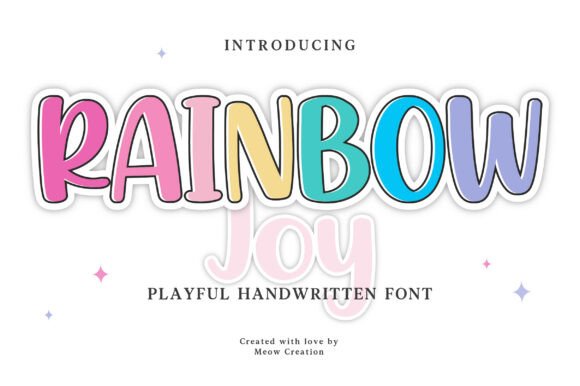
There's a certain magic that happens when you look at a design and it just feels... happy. It could be the colors, the imagery, or the layout, but more often than not, the secret ingredient is the typography. A font can carry an immense amount of emotional weight, setting the tone before a single word is read. For projects that need to convey warmth, approachability, and a sense of pure fun, a standard corporate typeface just won't cut it. This is where a character-rich, handwritten style like Rainbow Joy enters the picture. It’s a playful, hand-lettered font with a cute and cheerful personality, designed to inject instant joy into any creative work. Its smooth curves and friendly characters aren't just decorative; they're communicative, speaking a language of lightheartedness that resonates with a wide audience.
The Personality of a Playful Typeface
What sets a font like Rainbow Joy apart from the thousands of other options available? It’s all in the details. Unlike a rigid, geometric sans serif font, this typeface mimics the natural, imperfect flow of human handwriting. The letters have a gentle bounce, the connections are fluid, and the overall aesthetic is one of spontaneous creativity. This isn't about achieving pixel-perfect precision; it's about capturing a feeling. The visual appeal lies in its authenticity. It feels personal, as if someone just scribbled a cheerful note or doodled a fun headline. This quality makes it an incredibly versatile creative font. It avoids the overly formal or sometimes intimidating nature of a traditional serif font, and instead offers a warm, welcoming embrace. For a designer, this is a powerful tool. It allows you to craft a visual narrative that is inherently friendly and optimistic, which is a difficult tone to strike with more conventional typefaces.
From Screen to Shelf: Real-World Applications
The true test of any design asset is its practical application. Where does a font like this truly shine? Its cheerful nature makes it a natural fit for a specific, yet broad, range of projects. Understanding these applications can help you decide if it's the right choice for your next creative endeavor.
- Branding and Logo Design: For businesses targeting a younger demographic or those built on a foundation of fun and creativity, this font is a fantastic starting point. Think of a children's boutique, a party supply store, a custom cake baker, or a family-friendly event planning service. Using Rainbow Joy in a logo or brand identity system immediately communicates a playful and approachable brand personality. It tells customers, "We're here to make things fun."
- Packaging and Merchandise: Imagine a bag of gourmet popcorn, a line of bath bombs, or a box of artisanal cookies. A handwritten font on the packaging can make the product feel more personal, crafty, and special. It breaks through the noise of sterile, corporate branding on the shelf. This extends to merchandise like t-shirts, tote bags, and mugs, where the typography itself becomes a central, expressive part of the product's design.
- Digital Presence: In the fast-paced world of social media graphics, grabbing attention is paramount. A headline or quote set in a cheerful, handwritten font can stop the scroll. It’s perfect for Instagram posts, Facebook ads, and Pinterest graphics that need to feel authentic and engaging. For bloggers, using a font like this for section headers or pull quotes can break up text and add a dose of personality, making the reading experience more dynamic and less monotonous.
- Print and Events: The applications in print are just as compelling. Birthday party invitations, baby shower announcements, school event posters, and flyers for a local fair all benefit from a typeface that radiates joy. It sets a celebratory mood instantly. Even in editorial design, such as a magazine feature on a fun topic or a recipe page, it can be used sparingly to add a touch of whimsy and draw the reader's eye.
Integrating a Creative Font into Your Design Strategy
Simply choosing a fun font isn't enough; integrating it effectively is what separates an amateur design from a professional one. A playful display font like Rainbow Joy is a powerful tool, but it requires a thoughtful approach to ensure it enhances, rather than overwhelms, your project. The goal is to use its personality to support your message and improve your brand's presentation.
One of the most important considerations is font pairing. A decorative, handwritten font rarely works well when used for large blocks of body text. Its strength is in headlines, titles, and short, impactful phrases. To achieve visual consistency and readability, pair it with a more neutral and legible typeface for longer text. A clean sans serif font like Lato, Montserrat, or Open Sans provides a perfect counterbalance. The simple, modern lines of the sans serif will ground the design, allowing the playful energy of the handwritten font to stand out without causing visual chaos. This contrast creates a professional hierarchy that guides the reader's eye effectively.
Next, consider the context of your project. A font that’s perfect for a children’s birthday invitation might not be the right choice for a law firm's website. Matching the typography to your project goals and target audience is a fundamental principle of good design. If your brand identity is built on being trustworthy, serious, and authoritative, a playful script font will create a disconnect. However, if your brand aims to be seen as creative, approachable, and fun, then a font like Rainbow Joy is a strategic asset that reinforces that identity at every touchpoint. Always test your font choices by mocking them up in real-world scenarios—on a website header, a product mockup, or a social media template—to see how it truly feels within the context of your brand.
A Final Thought on Choosing Your Tools
Typography is one of the most powerful forms of non-verbal communication in design. The typefaces you choose become the voice of your brand, speaking volumes about your personality and values. A font like Rainbow Joy is more than just a collection of letters; it's a tool for building connection. It can make a brand feel more human, a product more delightful, and a message more memorable. When you're building your library of design assets, look for fonts that not only look good but also serve a clear purpose. By thoughtfully pairing a character-driven font with a clean, functional one, you create a balanced and professional visual language. The right creative font doesn't just decorate a design—it gives it a soul, helping you connect with your audience on a more emotional and engaging level.